
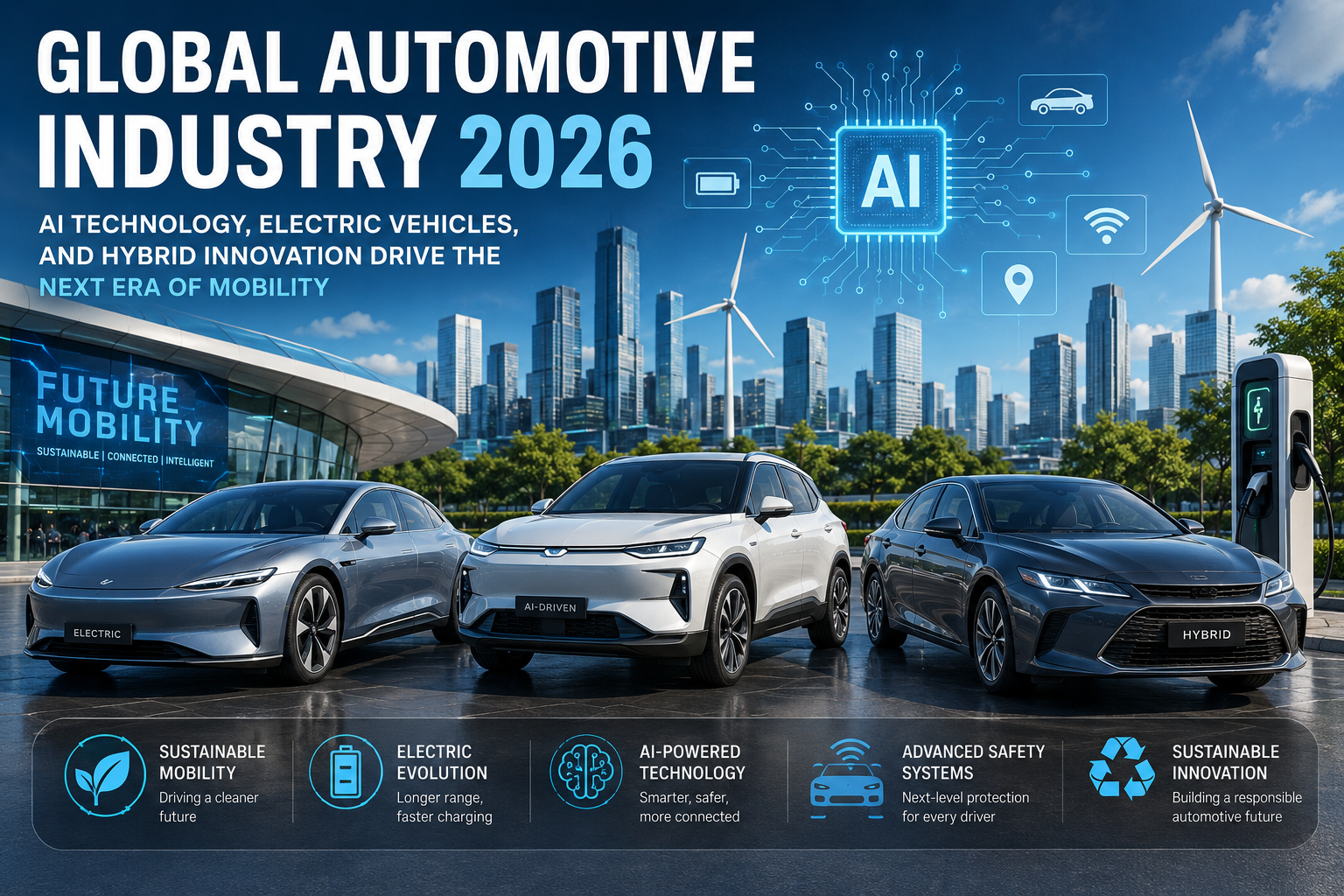
The global automotive industry continues to evolve rapidly in 2026 as manufacturers compete to deliver smarter, cleaner, and more efficient vehicles. While fully electric vehicles remain a major focus, hybrid technology has regained momentum as consumers seek practical alternatives that balance performance, affordability, and driving range.
Artificial intelligence, autonomous driving systems, and connected vehicle technology are becoming standard features across premium and mainstream models, reshaping customer expectations worldwide.
The Rise of AI-Powered Vehicles
Artificial intelligence is no longer limited to luxury vehicles. Many automakers now integrate AI into everyday driving experiences, offering smarter navigation, predictive maintenance, voice assistants, and adaptive driving systems.
Advanced Driver Assistance Systems Become Smarter
Modern vehicles now feature:
- AI-assisted parking
- Predictive collision avoidance
- Adaptive cruise control
- Lane-centering technology
- Driver fatigue monitoring
These technologies significantly improve both road safety and driving comfort.
Software-Defined Vehicles Gain Momentum
Manufacturers increasingly design vehicles around software platforms rather than traditional hardware alone.
Benefits include:
- Over-the-air software updates
- Continuous performance improvements
- New digital features after purchase
- Enhanced cybersecurity protection
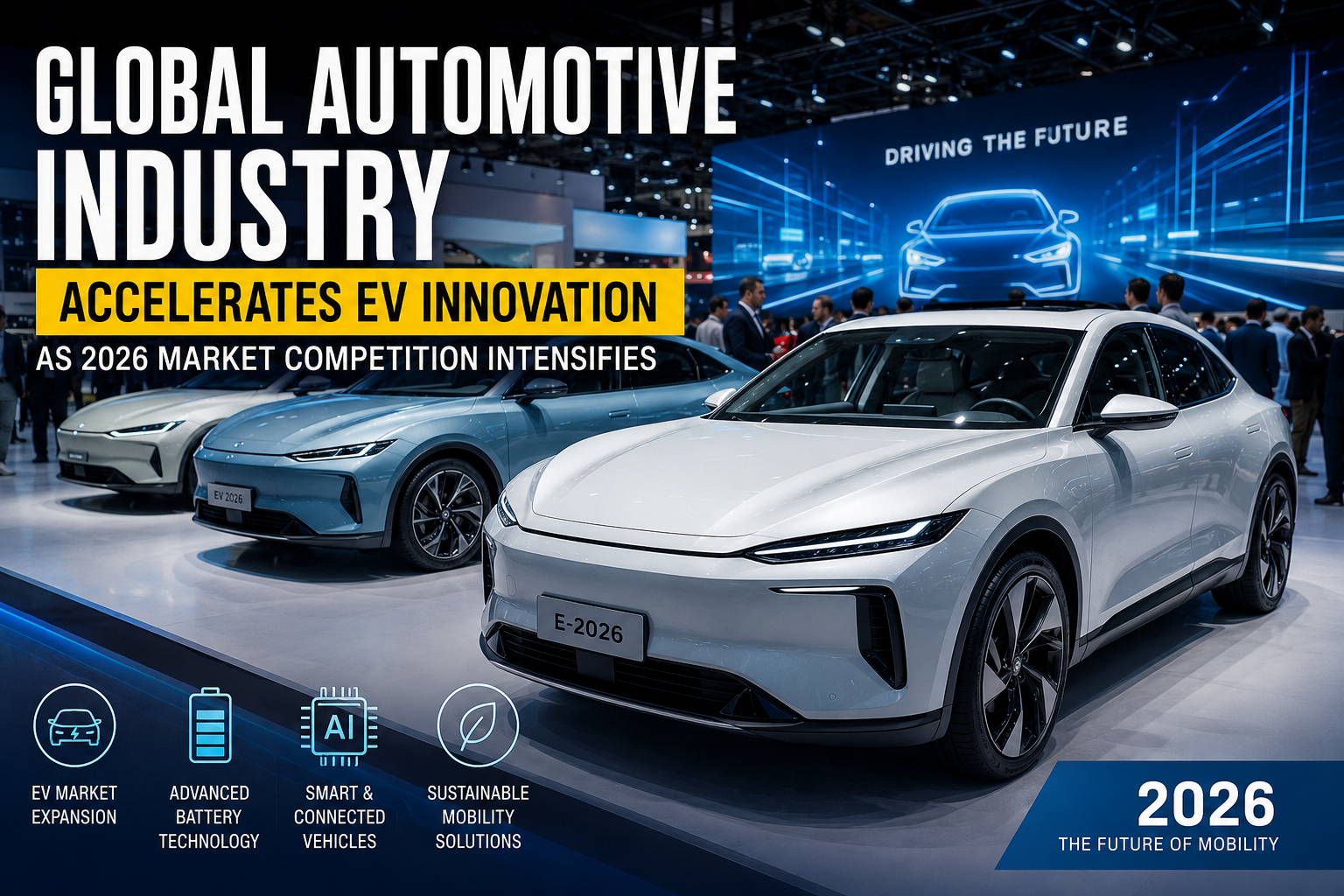
Electric Vehicle Market Continues Global Expansion
Despite economic uncertainties in several regions, electric vehicle adoption continues to grow across Europe, China, North America, and emerging Asian markets.
Government incentives, expanding charging infrastructure, and falling battery costs continue to support EV demand.
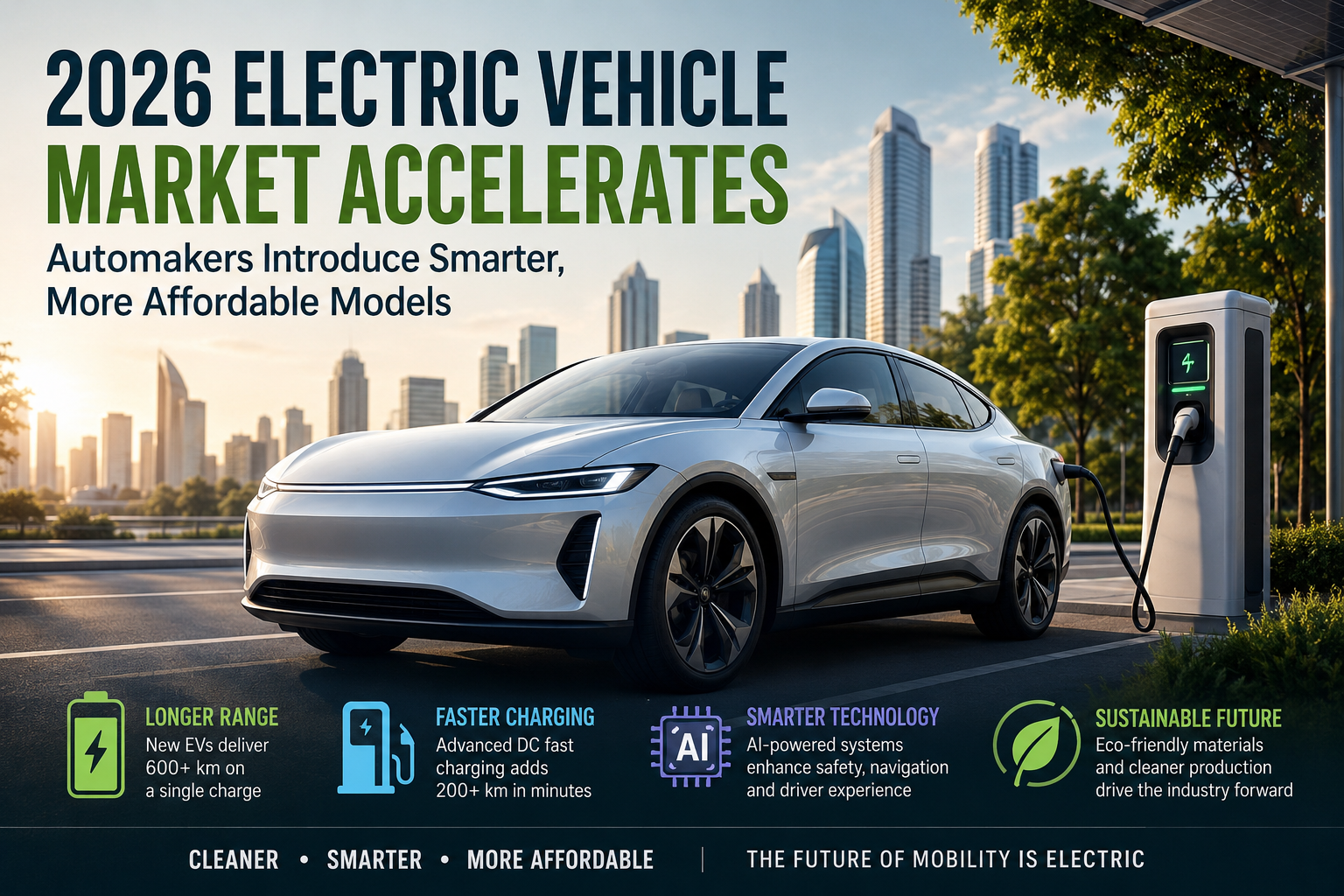
Battery Technology Improves Driving Range
Battery manufacturers are introducing new chemistry that offers:
- Longer driving range
- Faster charging times
- Improved durability
- Lower manufacturing costs
These improvements help reduce one of the biggest concerns among potential EV buyers.
Charging Infrastructure Expands Worldwide
Public charging stations are growing rapidly in urban centers, highways, and commercial locations, making long-distance EV travel increasingly convenient.
Hybrid Vehicles Make a Strong Comeback
While electric vehicles receive much attention, hybrid models are experiencing renewed popularity.
Many consumers prefer hybrids because they offer:
- Lower fuel consumption
- No dependence on charging stations
- Lower ownership costs
- Familiar driving experience
Automakers continue expanding hybrid lineups to serve markets where charging infrastructure remains limited.
Why Consumers Are Choosing Hybrids
Several factors contribute to the resurgence:
- Fuel price volatility
- Improved hybrid efficiency
- Government emission regulations
- Practicality for long-distance driving
Luxury Automakers Invest in Intelligent Mobility
Premium automotive brands are focusing on combining performance with advanced digital experiences.
Connected Luxury Features
New flagship models increasingly include:
- AI-powered voice assistants
- Personalized cabin settings
- Large digital displays
- Remote vehicle management
- Enhanced autonomous driving capabilities
Luxury customers now expect vehicles to function as connected digital ecosystems rather than simple transportation.
Sustainability Becomes a Competitive Advantage
Environmental responsibility has become a major selling point.
Manufacturers are investing in:
- Recycled interior materials
- Low-carbon manufacturing
- Renewable energy factories
- Battery recycling programs
- Sustainable supply chains
Consumers increasingly consider environmental impact when purchasing new vehicles.
Challenges Facing the Automotive Industry
Despite strong technological progress, manufacturers continue facing several obstacles.
Supply Chain Pressures
Global production remains vulnerable to:
- Semiconductor availability
- Battery material sourcing
- Logistics disruptions
- Rising manufacturing costs
Intense Market Competition
Competition has intensified as established automakers compete with rapidly growing EV manufacturers and technology companies entering the mobility sector.
Innovation speed has become just as important as vehicle quality.
Leave a Reply